The digital transformation of cultural institutions has accelerated at an unprecedented pace, with virtual art galleries emerging as a revolutionary medium for global art accessibility. The construction of these online platforms represents not merely a temporary alternative to physical spaces but a fundamental reimagining of how art is curated, experienced, and preserved. This paradigm shift is powered by a sophisticated fusion of cutting-edge technologies that work in concert to create immersive, engaging, and authentic digital experiences. The technical realization of online exhibitions is a multidisciplinary endeavor, blending web development, 3D modeling, high-fidelity imaging, and robust data management into a seamless whole.
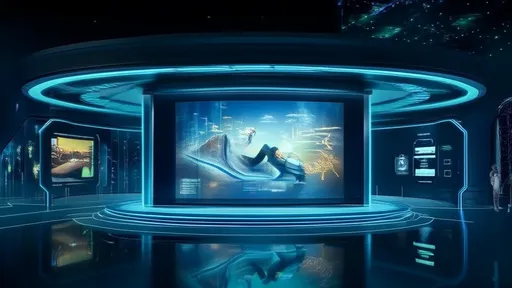
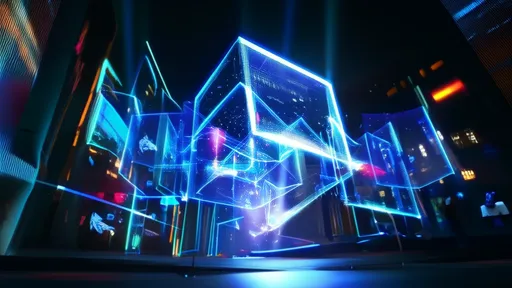
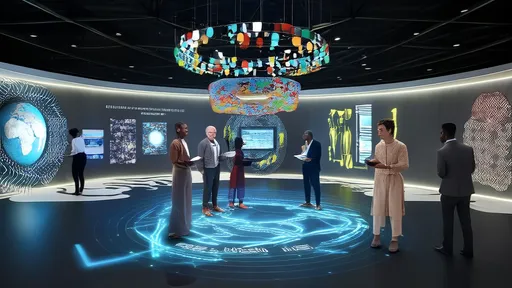
At the core of any virtual gallery lies the digital architecture that hosts the experience. Unlike traditional websites, these platforms often utilize powerful game engines like Unity or Unreal Engine to render complex 3D environments. These engines provide the foundation for constructing photorealistic gallery spaces, complete with accurate lighting, shadows, and spatial audio that mimic the ambiance of a physical museum. The visitor can navigate these spaces in real-time, often from a first-person perspective, creating a sense of presence and exploration that static images or simple video tours cannot replicate. This level of immersion is crucial for convincing the viewer that they are, in a meaningful sense, inside the exhibition.
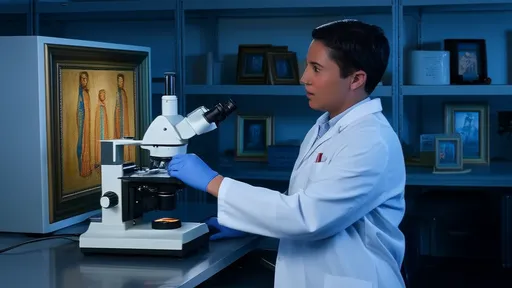
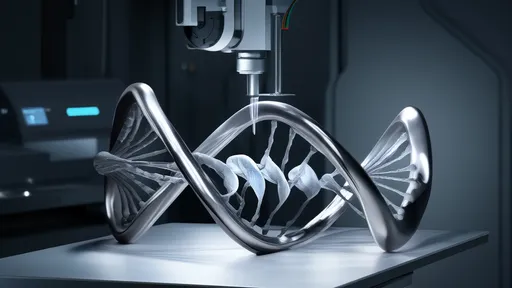
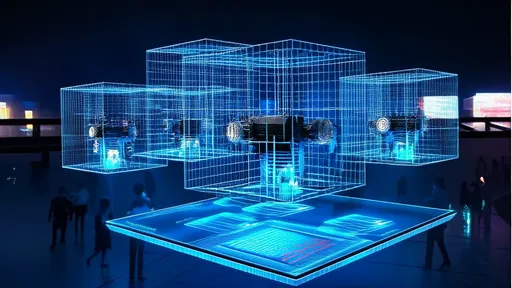
The faithful representation of artwork within these digital walls is arguably the greatest technical challenge. Simply photographing a painting is insufficient; the texture of the canvas, the brushstrokes, the play of light on the surface, and the exact coloration must be captured with meticulous precision. This is achieved through gigapixel imaging and High Dynamic Range (HDR) photography. Specialized robotic camera rigs take hundreds of ultra-high-resolution photographs of a single artwork from slightly different angles. Advanced software then stitches these images together into a single, massive file that allows for extreme zoom without any loss of detail. For sculptures and artifacts, photogrammetry and 3D laser scanning are employed to create precise digital twins. These techniques involve capturing thousands of data points from every angle to build a manipulable 3D model that can be rotated and examined from all sides, something impossible to do with the fragile physical object itself.
Once the assets are created, they must be integrated into the virtual environment in a way that is both visually stunning and technically efficient. This requires significant optimization to ensure the experience is accessible to users without supercomputers. Textures are compressed, polygon counts are reduced through retopology, and Level of Detail (LOD) systems are implemented so that simpler models are rendered for distant objects. The entire experience is then delivered through web-based platforms or downloadable applications, often leveraging technologies like WebGL and WebXR to run directly in a browser without the need for additional plugins. This democratizes access, allowing anyone with a standard computer or smartphone to visit these world-class exhibitions.
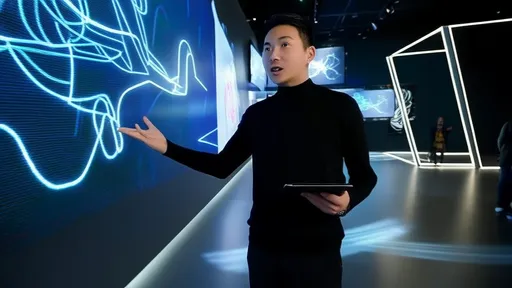
Beyond mere replication, virtual galleries unlock new curatorial possibilities that transcend physical limitations. An exhibition is no longer bound by the size of a room, the weight of a sculpture, or the fragility of a centuries-old manuscript. A curator can place a massive installation in a virtual desert, hang paintings in zero gravity, or create an infinite gallery space that expands as more art is added. Interactive elements can be woven into the fabric of the exhibit: clicking on a painting could reveal a video essay from the artist, a 3D model could be disassembled to show its components, or a historical artifact could be accompanied by a timeline of its provenance. This layer of interactive metadata enriches the educational value of the visit, transforming it from passive viewing into an active discovery process.
The backend infrastructure supporting these front-end experiences is a marvel of modern data management. Hosting gigapixel images and complex 3D models requires enormous bandwidth and storage solutions, typically handled by scalable cloud services like Amazon Web Services (AWS) or Google Cloud Platform. Content Delivery Networks (CDNs) ensure that these large files load quickly for users around the globe. Furthermore, these platforms often incorporate sophisticated content management systems (CMS) that allow curators and museum staff to update exhibitions, change wall texts, and add new artworks without needing to write a single line of code. This empowers cultural institutions to keep their digital presence dynamic and current.
Looking forward, the horizon of virtual exhibition technology is expanding into even more immersive realms. The integration of Virtual Reality (VR) and Augmented Reality (AR) is moving from a novelty to a standard feature. A VR headset can transport a user into a completely convincing digital museum, where they can walk around and interact with art using motion controllers. AR, on the other hand, can overlay digital artworks into a user's physical living room through their smartphone or AR glasses, blurring the line between the real and the virtual. The emergence of the metaverse concept suggests a future where these virtual galleries are not isolated destinations but interconnected spaces within a broader digital cultural landscape, complete with social features that allow visitors to experience art together in real-time, regardless of their physical location.
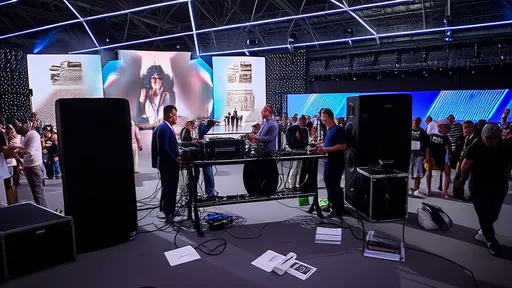
In conclusion, the construction of virtual art galleries is a profound technical and creative achievement. It is a field where art history meets computer science, and where preservation innovation unlocks new forms of expression. The successful technical implementation of an online exhibition is a complex ballet of high-resolution capture, 3D environment design, software engineering, and cloud infrastructure. It is not about replacing the irreplaceable aura of standing before a physical masterpiece, but about augmenting it, extending its reach, and ensuring that the power of art can travel across networks to inspire a global audience. This technological evolution ensures that culture remains a vibrant, accessible, and endlessly fascinating part of our digital lives.
By /Aug 28, 2025
By /Aug 28, 2025
By /Aug 28, 2025

By /Aug 28, 2025
By /Aug 28, 2025
By /Aug 28, 2025
By /Aug 28, 2025
By /Aug 28, 2025

By /Aug 28, 2025
By /Aug 28, 2025

By /Aug 28, 2025
By /Aug 28, 2025
By /Aug 28, 2025
By /Aug 28, 2025

By /Aug 28, 2025
By /Aug 28, 2025
By /Aug 28, 2025

By /Aug 28, 2025
By /Aug 28, 2025
By /Aug 28, 2025