Art Conservation Technology: Scientific Methods to Extend the Lifespan of Artworks"

Aug 28, 2025 By

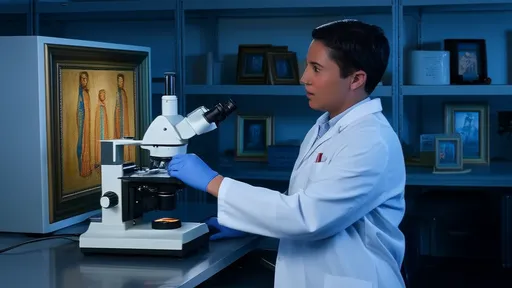
The silent galleries of museums and the hushed halls of private collections hold more than just aesthetic beauty; they are repositories of human history, vulnerable to the relentless march of time. For centuries, the preservation of these treasures was an art form in itself, relying on the intuition and experience of conservators. Today, a quiet revolution is underway, one that merges the meticulous eye of the art historian with the precise tools of the scientist. The field of art conservation science has emerged as a critical discipline, employing advanced technologies not merely to restore, but to proactively extend the lifespan of our cultural heritage for generations to come.

The fundamental enemy of any artwork is change. Whether painted on canvas, carved from stone, or printed on paper, all materials are in a constant, albeit slow, state of degradation. Light, particularly the ultraviolet and infrared spectrums, acts as a powerful agent of destruction, causing pigments to fade and organic materials like paper and textiles to become brittle. Fluctuations in temperature and relative humidity cause materials to expand and contract, leading to cracks, flaking paint, and warping. Pollutants in the air, both gaseous and particulate, can settle on surfaces, catalyzing chemical reactions that etch, discolour, or corrode. The mission of conservation science is to understand these complex decay mechanisms at a molecular level and to develop strategies to halt or dramatically slow them.

This scientific journey often begins with the power of sight, but not as the human eye perceives it. Multispectral and hyperspectral imaging have become indispensable tools in the conservator's arsenal. By capturing light reflected from an artwork at wavelengths far beyond the visible spectrum, these technologies reveal secrets hidden for centuries. Underdrawings—the initial sketches made by an artist—become visible, offering profound insights into the creative process and artistic intent. Earlier restoration attempts, now discoloured or degraded, can be mapped to guide current treatments. Perhaps most importantly, these imaging techniques can identify areas of nascent degradation, such as the formation of harmful salts or the early stages of pigment alteration, long before they become visible to the naked eye. This allows for preemptive conservation, addressing problems at their source rather than merely treating their symptoms.

Beyond seeing, scientists must understand the very composition of an artwork. Here, non-invasive analytical techniques are paramount. X-ray Fluorescence (XRF) spectrometry, for instance, allows a conservator to point a handheld device at a painting and, within seconds, receive a detailed elemental breakdown of the pigments used. This is crucial for authentication, dating, and understanding an artist's palette. Fourier-Transform Infrared (FTIR) spectroscopy helps identify organic materials—specific types of binding media like egg tempera or linseed oil, or varnishes that have yellowed with age. By understanding the exact chemical makeup, conservators can select the most compatible and effective cleaning agents and consolidants, ensuring treatments do not cause unintended long-term damage.

The battle against environmental degradation is fought on a macro scale within the very buildings that house art. The era of static, one-size-fits-all climate control is giving way to a new paradigm of smart environmental monitoring. Galleries and storage facilities are now equipped with vast networks of wireless sensors that continuously track temperature, humidity, light levels, and pollutant concentrations. This real-time data is fed into sophisticated building management systems that can make micro-adjustments to maintain an environment perfectly tailored to the specific needs of the objects within. A room containing ancient wooden sculptures, which require a stable and slightly higher humidity, can be maintained adjacent to a gallery of metallic objects that need drier conditions. This data-driven approach is not only more effective but also more energy-efficient, representing a sustainable model for large-scale preservation.

Perhaps the most futuristic frontier in art conservation lies at the nanoscale. Nanotechnology offers revolutionary solutions to age-old problems. Conservators are now experimenting with nano-materials for cleaning. For example, highly porous hydroxyapatite nanoparticles can be applied as a gel to the surface of a painting. These nanoparticles are engineered to have a stronger affinity for the harmful salts and grime on the surface than for the original paint layers beneath, lifting away pollutants with unprecedented precision and safety. Similarly, nano-sized calcium hydroxide particles can be suspended in alcohol and applied to deacidify and strengthen brittle paper and canvas, effectively reversing chemical decay from within the material's structure.

For three-dimensional objects, particularly large-scale outdoor sculptures and architectural elements, the challenges of weathering are immense. Here, science has developed innovative protective systems. Electrochemically assisted desalination techniques can be used to draw damaging salts out of porous stone like marble, preventing surface spalling and powdering. Advanced polymer coatings, some with self-cleaning properties inspired by the lotus leaf, are being formulated to create invisible, breathable barriers that shield metal surfaces from corrosive pollutants and moisture while allowing the material to "breathe," preventing trapped vapor from causing damage from within.

The integration of these technologies is creating a new digital ecosystem for conservation. High-resolution digital imaging, 3D laser scanning, and the data from analytical instruments are being compiled into sophisticated digital twins of artworks. These are not simple photographs but complex, data-rich virtual models. Conservators can use these twins to monitor minute changes over time, simulate the effects of different environmental scenarios or treatment options, and create a permanent record of the object's condition. This becomes an invaluable resource for future generations of conservators, providing a baseline of data that stretches back decades.

Despite these remarkable advances, the field is guided by a fundamental ethical principle: reversibility. Any intervention, no matter how scientifically advanced, must be as reversible as possible. The goal is never to impose a permanent change but to extend the object's life with the lightest possible touch, ensuring that future conservators with even better technology and understanding are not locked in by the decisions made today. This humility in the face of irreplaceable cultural objects is what separates conservation from restoration.

The work of art conservation scientists is a profound dialogue between the past and the future. It is a discipline built on the conviction that a Rembrandt portrait, a Ming dynasty vase, or a medieval tapestry is not a static relic to be kept under glass until it fades away. They are living documents of human achievement, and it is our responsibility to employ every tool at our disposal—from the nano-probe to the climate sensor—to ensure their stories continue to be told. Through this marriage of art and science, we become not just curators of beauty, but active guardians of memory, granting the masterpieces of yesterday a renewed lease on life for the audiences of tomorrow.
Recommend Posts
Arts

Art Data Visualization: Presenting Art Market Trends with Images"

By /Aug 28, 2025

In the rapidly evolving art market, data visualization has emerged as a transformative tool for understanding complex trends and patterns. As galleries, collectors, and institutions navigate an increasingly digital landscape, the ability to translate raw data into compelling visual narratives has become not just advantageous but essential. The intersection of art and analytics might seem paradoxical at first glance—one driven by creativity and emotion, the other by numbers and logic. Yet, it is precisely this fusion that is unlocking new dimensions of insight into how art moves, values shift, and cultural currents evolve.
Arts

Intelligent Art Installations: Sensor Technology and Interactive Experience"

By /Aug 28, 2025

In the ever-evolving landscape of contemporary art, a new frontier has emerged where technology and creativity converge to redefine audience engagement. Intelligent art installations, particularly those harnessing sensor technology, are transforming passive viewership into dynamic, interactive experiences. These works not only challenge traditional notions of art but also invite participants to become co-creators, blurring the lines between observer and artwork. The integration of advanced sensing mechanisms allows these installations to respond to human presence, movement, touch, and even emotional states, creating a symbiotic relationship between the piece and its audience.
Arts

Application of Eco-friendly Materials in Art: Practices for Sustainable Development"

By /Aug 28, 2025

In recent years, the art world has witnessed a profound transformation as sustainability becomes a central theme in creative practices. Artists, galleries, and institutions are increasingly turning to eco-friendly materials, not merely as a trend but as a conscientious response to global environmental challenges. This shift is redefining the relationship between art and nature, blending aesthetic innovation with ecological responsibility. The exploration of sustainable materials in art is no longer confined to niche circles; it has permeated mainstream exhibitions, public installations, and even digital art forms, signaling a broader cultural movement toward mindful creation.
Arts

Art and Biotechnology: Artistic Explorations in Life Sciences

By /Aug 28, 2025

The intersection of art and biotechnology represents one of the most provocative frontiers in contemporary creative and scientific practice. As the boundaries between organic and synthetic, living and non-living, and even ethical and aesthetic continue to blur, a new genre of artistic exploration is flourishing within the laboratories and studios of pioneering individuals. This is not merely art about science, or science illustrated through art; it is a profound synthesis where biological processes become the medium, and scientific inquiry merges with poetic expression. The dialogue between these two seemingly disparate fields is generating works that challenge our very definitions of life, authorship, and the nature of creation itself.
Arts

Construction of Virtual Art Museums: Technical Implementation of Online Exhibitions"

By /Aug 28, 2025

The digital transformation of cultural institutions has accelerated at an unprecedented pace, with virtual art galleries emerging as a revolutionary medium for global art accessibility. The construction of these online platforms represents not merely a temporary alternative to physical spaces but a fundamental reimagining of how art is curated, experienced, and preserved. This paradigm shift is powered by a sophisticated fusion of cutting-edge technologies that work in concert to create immersive, engaging, and authentic digital experiences. The technical realization of online exhibitions is a multidisciplinary endeavor, blending web development, 3D modeling, high-fidelity imaging, and robust data management into a seamless whole.
Arts

Art Conservation Technology: Scientific Methods to Extend the Lifespan of Artworks"

By /Aug 28, 2025

The silent galleries of museums and the hushed halls of private collections hold more than just aesthetic beauty; they are repositories of human history, vulnerable to the relentless march of time. For centuries, the preservation of these treasures was an art form in itself, relying on the intuition and experience of conservators. Today, a quiet revolution is underway, one that merges the meticulous eye of the art historian with the precise tools of the scientist. The field of art conservation science has emerged as a critical discipline, employing advanced technologies not merely to restore, but to proactively extend the lifespan of our cultural heritage for generations to come.
Arts

Artificial Intelligence Art Critique: How Machines Interpret Human Creativity"

By /Aug 28, 2025

In the ever-evolving landscape of artificial intelligence, one of the most intriguing developments has been the emergence of AI systems capable of analyzing, interpreting, and even creating art. This new frontier, often termed computational aesthetics, is not merely a technical achievement but a profound cultural shift, forcing a re-examination of age-old questions about creativity, interpretation, and the very essence of art itself. The dialogue between machine analysis and human creation is generating a vibrant, and at times contentious, discourse within the global art community.
Arts

Augmented Reality Art Experience: Art Creation in Overlay Reality

By /Aug 28, 2025

In recent years, the art world has witnessed a profound transformation, driven by the integration of cutting-edge technology with traditional creative practices. Among the most compelling developments is the emergence of augmented reality (AR) as a medium for artistic expression. Augmented reality art represents a fusion of the physical and digital realms, allowing artists to overlay virtual elements onto the real world, thereby creating immersive, interactive experiences that challenge conventional notions of art and perception.
Arts

Blockchain Art Authentication: Technological Assurance of Artistic Authenticity

By /Aug 28, 2025

In the ever-evolving world of art, the issue of authenticity has long been a challenge for artists, collectors, and institutions alike. For centuries, the art market has grappled with forgeries, misattributions, and disputes over provenance, often leading to significant financial losses and eroded trust. However, a revolutionary technology is now stepping into the spotlight to address these age-old problems: blockchain. By leveraging its decentralized, immutable, and transparent nature, blockchain is transforming how we verify and protect the authenticity of artworks, offering a new paradigm for art authentication that promises greater security, traceability, and confidence in the art world.
Arts

The Application of 3D Printing in Sculpture: The Artistic Possibilities of Digital Manufacturing

By /Aug 28, 2025

In the quiet hum of a studio, a new kind of chisel is at work. It isn’t held by a sculptor’s hand, guided by muscle memory and instinct. Instead, it’s a precise laser or extruder, building forms layer by minuscule layer, translating digital dreams into tangible reality. This is the world of 3D printing in sculpture, a frontier where the cold logic of technology meets the warm, expressive soul of art. What was once a niche manufacturing process has blossomed into a powerful creative medium, fundamentally altering how artists conceive, design, and fabricate their work. It is not merely a new tool; it is a new language for form, texture, and possibility.
Arts

Management of Artist Residency Programs: Collaboration between Artists and Institutions"

By /Aug 28, 2025

The landscape of contemporary art is increasingly shaped by the dynamic and symbiotic relationships forged through artist residency programs. These initiatives, which bring creators into temporary partnership with host institutions, represent far more than mere logistical arrangements. They are complex ecosystems of cultural exchange, creative development, and organizational growth that require sophisticated management approaches to truly flourish.
Arts

Cultural Exchange Exhibition Planning: An Artistic Platform for Intercultural Dialogue

By /Aug 28, 2025

In an increasingly interconnected world, the power of cultural exchange exhibitions to foster meaningful dialogue cannot be overstated. These carefully curated events serve as dynamic platforms where diverse traditions, histories, and artistic expressions converge, creating spaces for mutual understanding and appreciation. The recent surge in globally-minded exhibitions demonstrates a growing recognition of their role not merely as displays of artifacts, but as active participants in cross-cultural conversation.
Arts

Risk Assessment for Art Projects: Preventive and Responsive Strategies

By /Aug 28, 2025

In the vibrant and often unpredictable world of artistic creation, the concept of risk is as inherent as creativity itself. While the romantic notion of the artist as a solitary genius bravely facing the unknown persists, the reality for contemporary art projects—whether large-scale installations, international exhibitions, or community-based workshops—demands a far more structured and proactive approach. The successful navigation of these ventures hinges not on avoiding risk altogether, which is an impossibility, but on a robust framework for its assessment, prevention, and mitigation. This is no longer a peripheral administrative task but a core creative and managerial discipline essential for safeguarding artistic vision, financial investment, and public safety.
Arts

Editing and Designing Exhibition Catalogues: Perfect Presentation from Content to Form"

By /Aug 28, 2025

In the world of publishing, few projects demand as much interdisciplinary collaboration and creative finesse as the design and editing of exhibition catalogues. These publications serve not merely as companions to art shows but often as lasting artifacts that outlive the exhibitions themselves. The process of bringing such a catalogue to life involves a delicate dance between content and form, where editorial decisions are deeply intertwined with design choices. It’s a holistic endeavor where text, image, layout, and materiality must harmonize to convey the curator’s vision and the artist’s voice.
Arts

Brand Building of Art Institutions: Shaping Cultural Influence

By /Aug 28, 2025

In the ever-evolving cultural landscape, the concept of brand building within art institutions has transcended mere marketing tactics to become a cornerstone of cultural influence and sustainability. Unlike commercial enterprises, art institutions carry the dual responsibility of preserving artistic integrity while engaging diverse audiences. The journey of brand development in this sector is not about selling a product but about cultivating a narrative that resonates deeply with societal values, historical context, and creative expression.
Arts

Art Festival Organization and Planning: Execution Details of Large-Scale Events"

By /Aug 28, 2025

In the bustling world of cultural events, the organization and execution of an arts festival stand as a monumental task that blends creativity with meticulous planning. The journey from conceptualization to the final curtain call involves a symphony of coordinated efforts, where every detail, no matter how small, plays a crucial role in the overall success. This article delves into the intricate process of orchestrating a large-scale arts festival, highlighting the key execution details that transform vision into reality.
Arts

The Business Model of Art Sponsorship: A Win-Win for Corporations and Culture"

By /Aug 28, 2025

In the intricate dance between commerce and creativity, corporate art sponsorship has evolved from mere philanthropy to a sophisticated symbiotic relationship. The contemporary landscape reveals a dynamic interplay where businesses and cultural institutions forge partnerships that yield mutual benefits far beyond financial transactions. This paradigm shift reflects a deeper understanding of how artistic engagement can enhance corporate identity while simultaneously nourishing the cultural ecosystem.
Arts

Budget Management in Artistic Activities: Cost Control and Quality Assurance

By /Aug 28, 2025

In the intricate world of arts administration, the delicate balance between financial prudence and creative excellence remains a perennial challenge. Budget management in artistic endeavors is not merely a logistical necessity but a fundamental component that shapes the very essence of cultural production. The interplay between cost control and quality assurance defines the sustainability and impact of artistic projects, influencing everything from conceptual development to audience engagement. This dynamic requires a nuanced approach, where financial decisions are deeply intertwined with artistic vision rather than treated as separate concerns.
Arts

Public Education in Art Museums: Bridging Art and Audiences"

By /Aug 28, 2025

In the heart of every vibrant city, the art museum stands not merely as a repository of cultural treasures but as a dynamic nexus where creativity and community converge. The discourse surrounding public education in museums has evolved dramatically over recent decades, shifting from passive viewing experiences to immersive, participatory engagements that transform visitors into active participants in the artistic dialogue. This transformation underscores the museum's role as a vital bridge—one that connects the often-intimidating world of art with the diverse, curious public it seeks to serve.
Arts

Narrative Structures in Exhibition Curation: How to Tell a Good Art Story"

By /Aug 28, 2025

In the realm of art exhibitions, the power of storytelling has emerged as a transformative force, reshaping how audiences engage with visual narratives. The traditional model of simply displaying artworks in chronological or thematic order is giving way to more dynamic, immersive experiences that weave together objects, context, and emotion into a cohesive whole. This shift reflects a growing recognition that art, at its core, is about communication—and what better way to communicate than through a well-crafted story?